


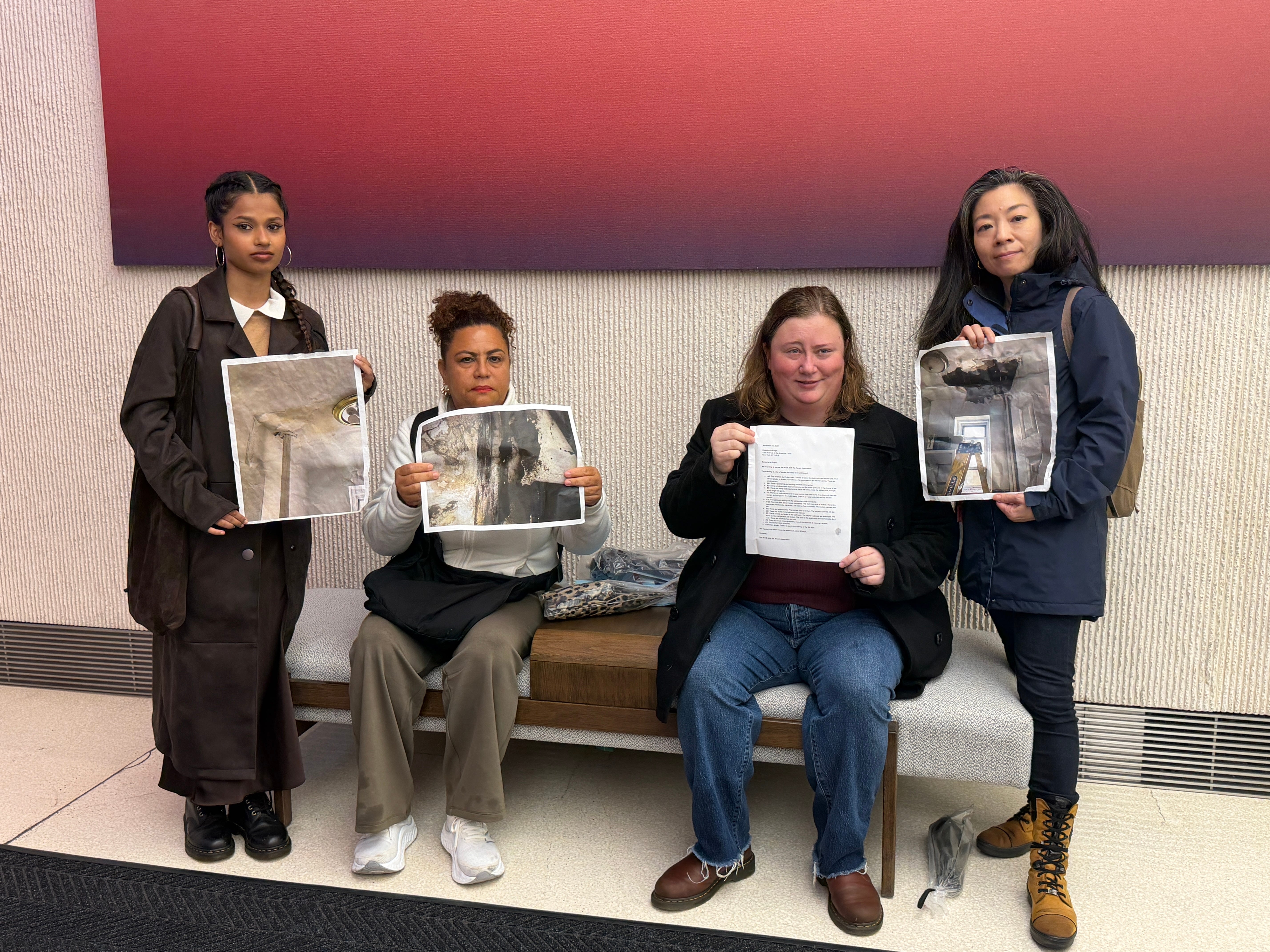
On November 12, I joined tenants from 94-06 34th Road in Jackson Heights as they went to confront Summit, their new landlord, about repairs. They started at the Midtown address listed on the building’s mortgage. When they got there, building staff told them Summit had recently moved. The tenants found a second address on the company’s website and set out in the rain for Madison Avenue.
On the walk between the two offices, one of the tenants, a public school teacher in Manhattan, told me how punishing it had been to find an apartment she could afford without spending hours getting to work. Before moving to 94-06 34th Road, she had been commuting from Connecticut, a commute that could take three hours door to door. From Jackson Heights, it takes an hour and ten minutes. She and her family pay $2,700 a month for a rent-stabilized two-bedroom.
“What you get in time, you lose in money,” she said.
Since moving in, she told me, she’s dealt with cockroaches, a leaking toilet and a stove with half its burners out. With a young child at home, she said she’s still waiting for window guards. How do you pay so much and receive so little?
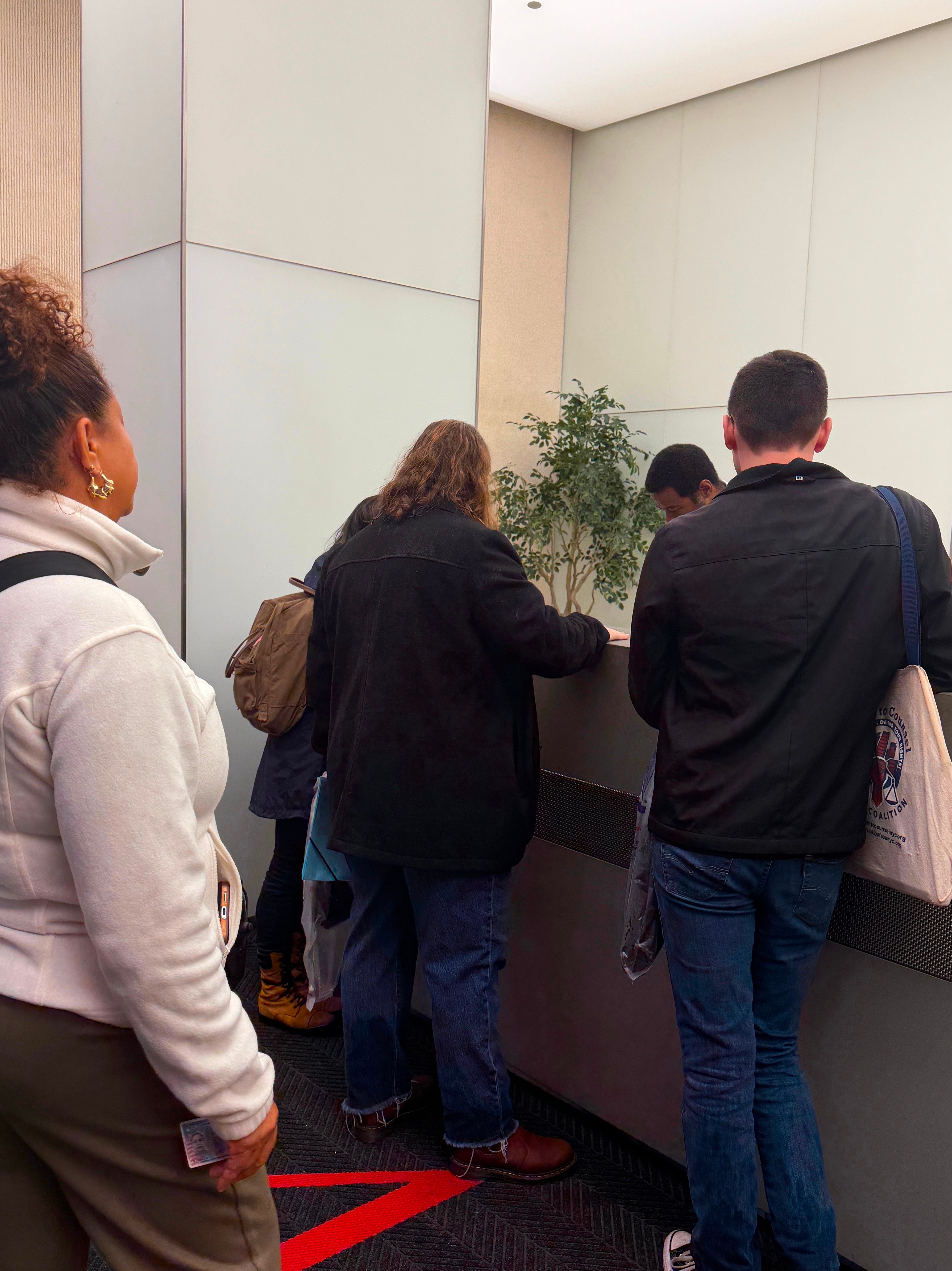
At Madison Avenue, building staff told the tenants they needed an appointment to go upstairs. Tenants continued calling Summit staff until a project manager came down to meet them. The tenants handed her photos and a letter detailing what needed fixing in their apartments and common areas. The project manager said someone from Summit would come to inspect the building the next day.
The Jackson Heights building was one of 93 properties purchased by Summit after the former owner Pinnacle declared bankruptcy last year. At the time of its January 2026 sale, Pinnacle had racked up 6,478 housing violations across its 5,100-unit New York City portfolio. The Mamdani administration tried to halt the sale to Summit, pressing for stronger guarantees that repairs would be made. The court allowed it to proceed, and the sale closed March 31. In a court filing, Summit laid out a $30 million, five-year plan for repairs and improvements across the portfolio.
By November 2026, city records showed 82 open housing violations at the 59 unit building at 34th Road, most of which were issued after Summit took ownership.
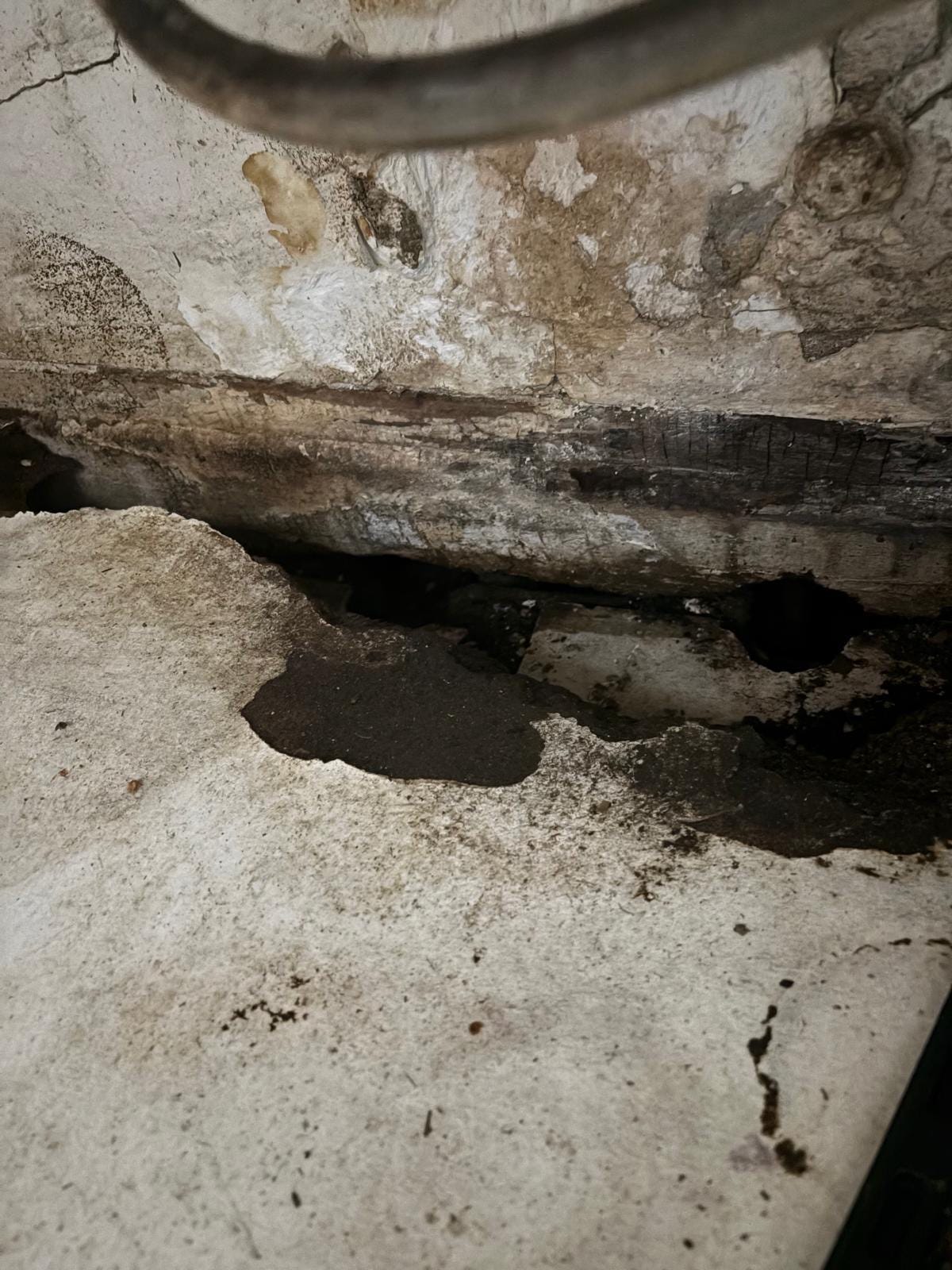
In a written statement, Summit said it takes the concerns raised by residents at 94-06 34th Road seriously and urged tenants to submit requests directly to their managing agents. The company said it had started or completed repairs in many apartments. Across the portfolio, Summit said it had corrected all 6,000 violations that were open as of January 15 and cured an additional 3,000 since Summit took possession. It gave no figure for how much it had spent under its $30 million plan.
Being a landlord is hard, no doubt. Keeping an old building in good shape costs money, and the people who buy these buildings expect to make money. But who pays to catch up on years of deferred maintenance? The tenants are already paying rent. They’re also doing the work of organizing, documenting what’s broken, and tracking down someone who can act on it. The city needs to enforce the housing code and follow up until repairs are made, even after a building changes hands and the headlines move on.
Walking through Midtown in the rain, past shops selling twelve-dollar lattes and thousand-dollar coats, I kept coming back to the same question. Who is the city for? Manhattan’s gleaming skyline represents the success of commerce. What the tenants were trekking through the rain to do represents a failure of government to make sure opportunity kept pace with all that prosperity.
How we use our land reflects what we value. We devote more than five million square feet of public land to surface parking while a teacher paying $2,700 a month has to take time out of her day to ask for window guards. This is frankly existential to the future of New York. Who can afford to live here shapes the culture of the city.
If we want to bring prosperity and opportunity closer together, we need to do something that’s both transformational and simple. Get rid of restrictive zoning rules and make it easier to build homes in every part of the city. And make a public commitment to building permanently affordable homes at scale. Restart a social housing program, take those five million square feet of public land, develop it, and use the immense resources we have to build the city we say we want. That’s why I’ve been making the case in Civic Pulse for a new Mitchell-Lama. Put state money behind permanently affordable rentals and limited-equity co-ops, and budget from day one for keeping those homes in good shape.
Because if we don’t, next year it’ll be tenants from another building walking through Midtown in the rain, trying to get their landlord to come downstairs.